

 Brayden Myer
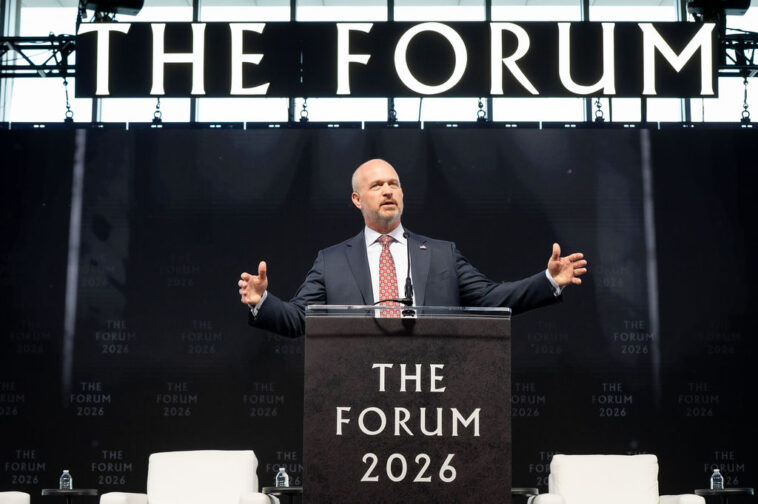
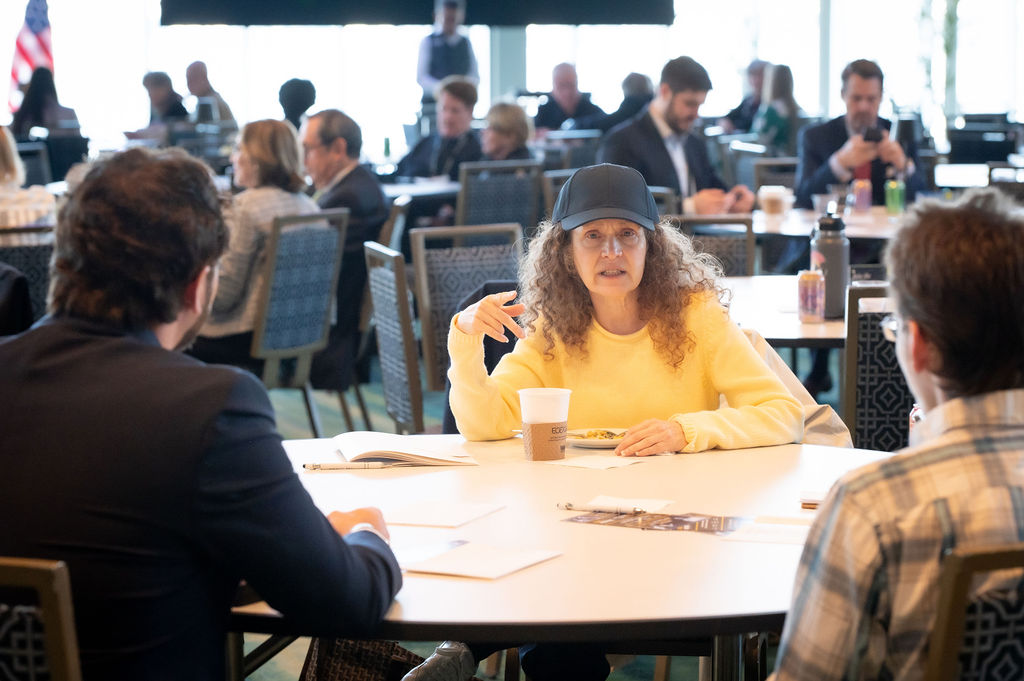
On November 11 & 12, conservative activists across the nation gathered at the Gaylord National Resort in National Harbor, Maryland for Heritage Action’s “The Forum.” This event featured speakers ranging from members of the Heritage Action team, business owners, political commentators, nonprofit leaders, professors, current and former elected officials and candidates, and U.S. Treasury Secretary Scott Bessent to discuss the top issues affecting Americans. Throughout The Forum a consistent theme emerged among panels of criticism against the Republican establishment out of frustration for not delivering on and at times blocking conservative reform.
Day One
The first day began with a panel discussing the 2026 midterm elections. The panelists pointed out what they believed to be some key reasons as to why Republicans lost. One of them was the cost of living needs to be addressed but Republicans did not effectively communicate a plan to reduce prices and improve Americans’ financial situations. Another they listed was voters have a hard time believing Republicans will stand against corruption when their own party excuses questionable behavior. Candidate quality was also brought up, saying not all candidates ran good campaigns and couldn’t always connect with everyday voters. They then suggested the need for Republicans to stop relying primarily on traditional advertising as Democrats have become more effective at using influencers, online personalities, and social media campaigns.

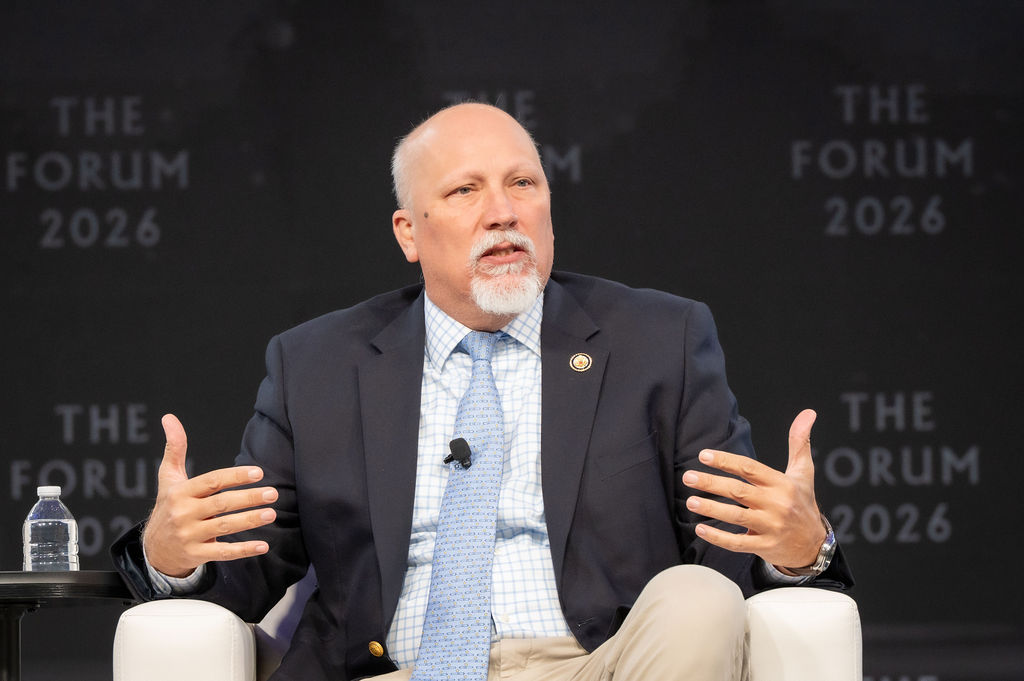
After that panel, a discussion on the rise of socialism with Texas Congressman Chip Roy followed. Rep. Roy stated one reason socialism is on the rise in America is his belief that Republicans have lost sign of ordinary Americans. He argued that the Republican Party increasingly became associated with large corporations, wealthy interests, and political insiders rather than working Americans. He also pointed to the rising costs of everything is making it more difficult for young people and working families to start businesses, afford healthcare, purchase homes, and build stable lives. Roy also criticized the relationship between government and large corporations, arguing that some businesses benefit from political connections while ordinary Americans bear the consequences. He criticized Republican leadership for supporting questionable candidates and prioritizing political power over the concerns of voters. He concluded by arguing that Republicans must return to the principle that government exists to serve the American people rather than powerful institutions.
The audience then received a call-in from Palmer Luckey, inventor of the Oculus VR and co-founder of the military technology company Anduril Industries. He discussed the importance of strengthening America’s ability to manufacture advanced military equipment domestically. He said his company differentiates from traditional defense contractors by developing products and technologies rather than functioning primarily as a conventional government contractor. He believes America needs a stronger defense industrial base to deter potential enemies and ensure that military technology remains in the hands of countries defending freedom. He then emphasized the importance of allowing innovative entrepreneurs to challenge established industries and develop new technologies.
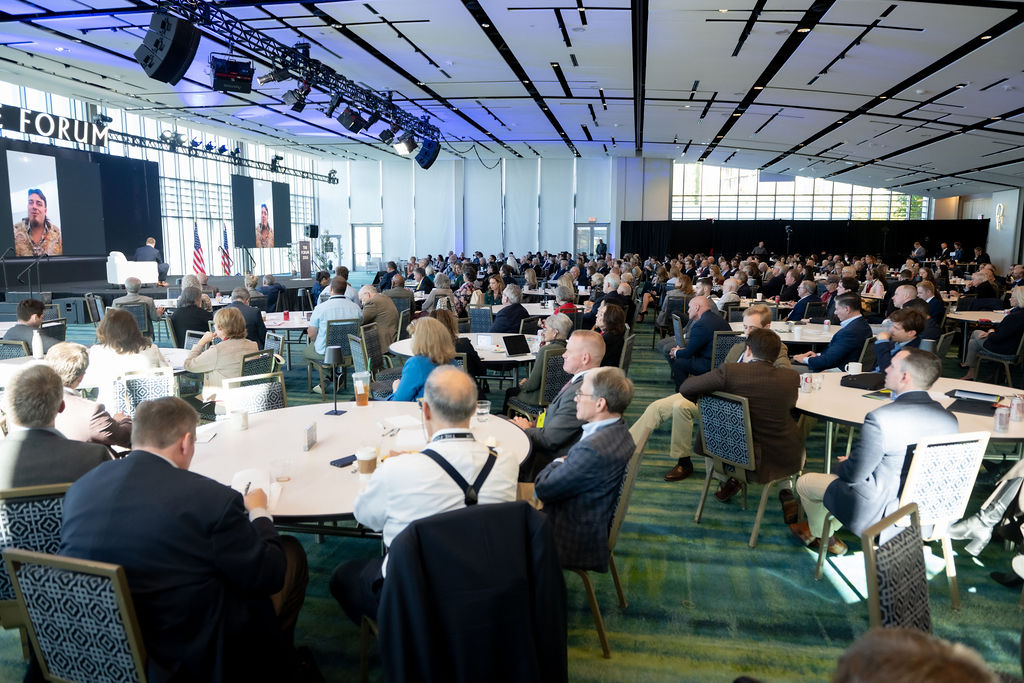
A discussion then arose with two professors regarding the common good and the values that should guide American society. The professors argued that a functioning society requires more than individuals pursuing their own interests. It also depends on shared moral principles and a common understanding of what constitutes human flourishing. While both generally agreed upon each other’s ideals, there was a point of disagreement regarding restricting the type of content you can watch in your home. One professor argued the government should ban certain types of content he had negative thoughts toward while the other professor argued it is none of the government’s business the type of content you watch in your home and banning content is a direct violation of the American belief of limited government and the First Amendment.
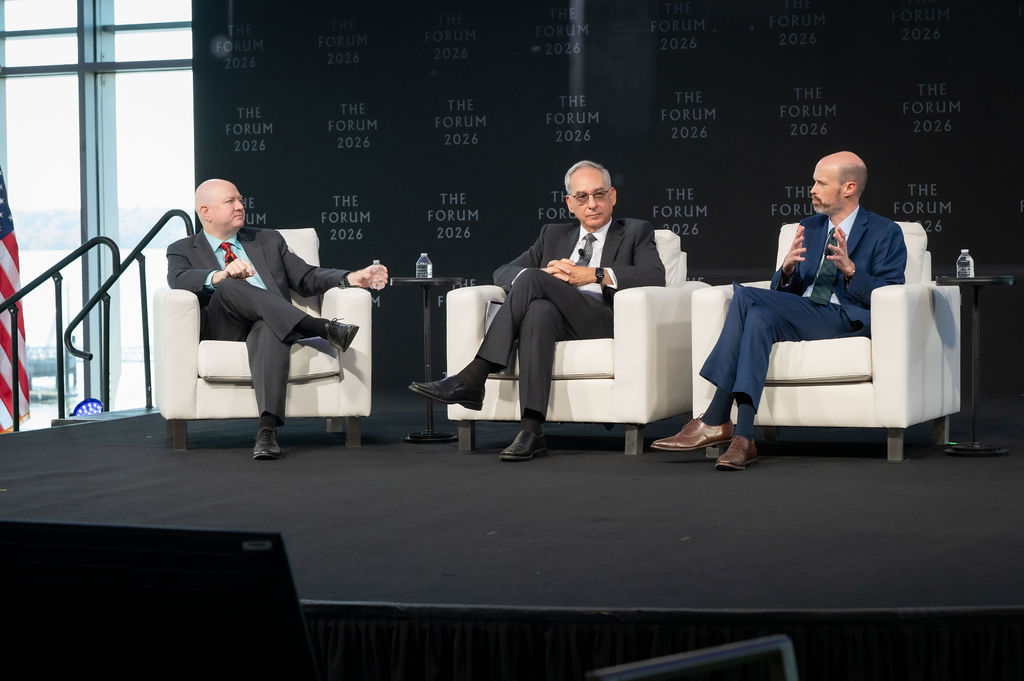
Following that discussion, a panel took the stage to discuss how conservatives should defend capitalism and free-market economics during the growth of socialism in America. They began with discussing whether the textbook definition of socialism being government ownership of the means of production should be expanded or left as that, to which it was agreed that was the best definition. They discussed the reason socialism is appealing is socialist politicians have successfully presented their policies as solutions to healthcare costs, economic inequality, and financial insecurity. The panelists believe conservatives need to do more than explain economic theory. They need to demonstrate how capitalism improves people’s lives. The speakers discussed the argument that Scandinavian countries demonstrate the success of socialism. They challenged this characterization, pointing to their market-based economies and private-sector wealth creation. The speakers argued that capitalism provides the foundation for economic prosperity, innovation, and individual opportunity. They concluded by stating conservatives need to explain why free markets work and why government intervention can create unintended consequences.
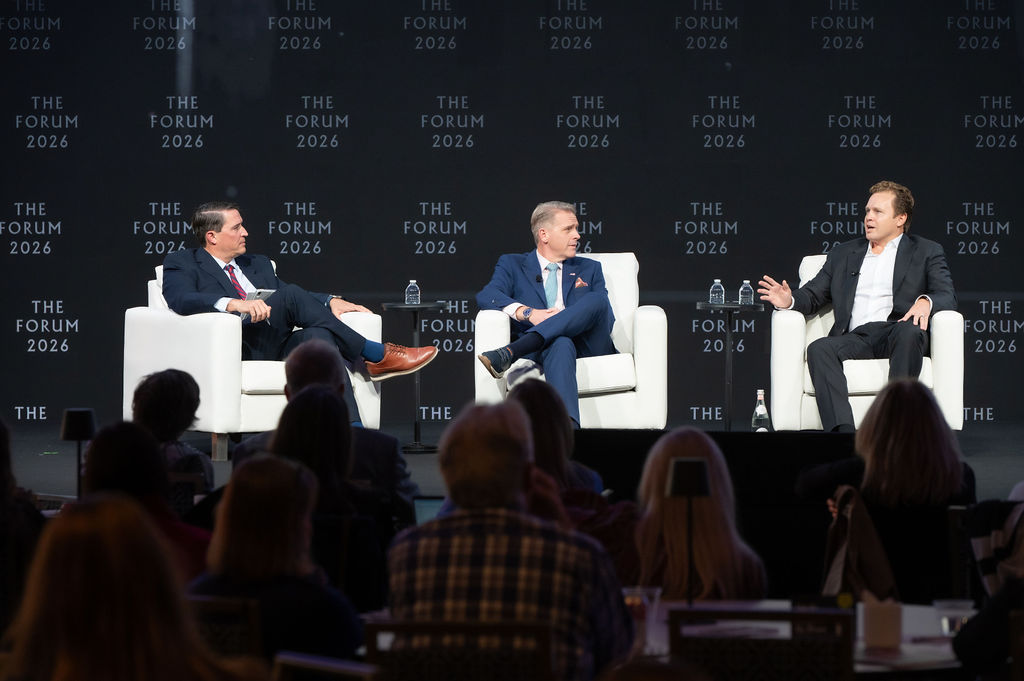
The last panel of the day discussed how Republicans can communicate more effectively and reach new voters. The panelists believe Republicans can’t rely on political talking points; they need to present their ideas better in ways appealing to ordinary voters. Republicans should not assume that traditionally Democratic states are permanently out of reach as political environments are constantly changing. They also emphasized Republicans need to give their supporters reasons to vote beyond simply opposing Democrats and socialism.
Day Two
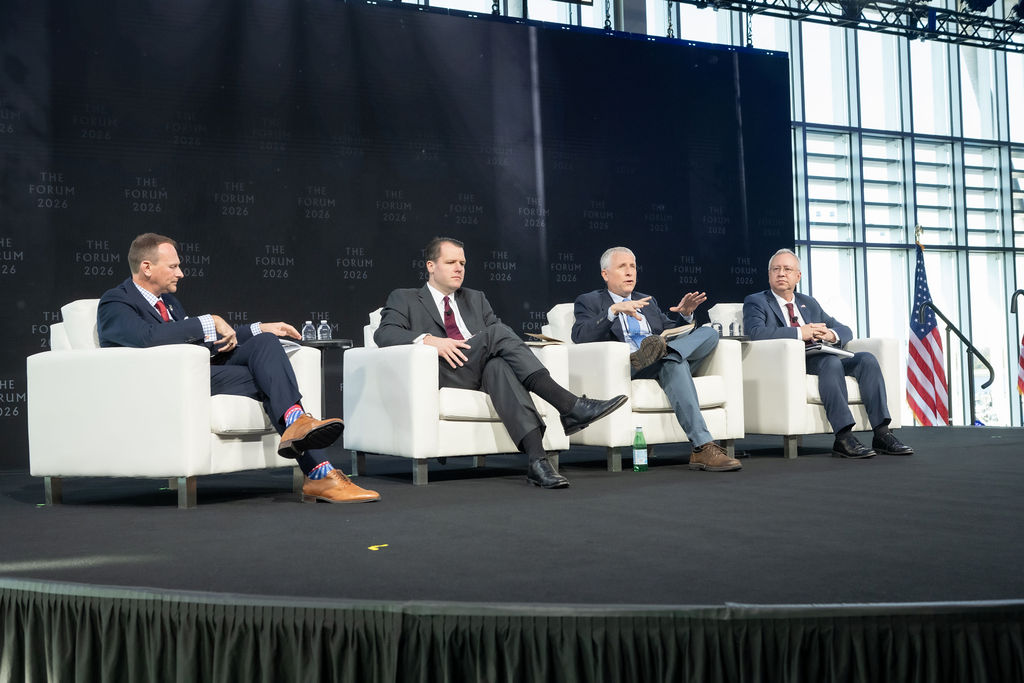
During the morning of the second day, a panel was introduced to discuss what an immigration system designed primarily around American national interests should look like. The panel argues that countries have the right to determine who enters their territory and that immigration policy should prioritize the interests of their own citizens. They also challenge the idea that anyone should have an unrestricted right to move to another country, with one saying no one has a right to enter the United States, it is a privilege. They also said immigration policy should account for its effects on American workers, wages, housing, public services, and taxpayers. The panel emphasized the importance of controlling the border and enforcing existing immigration laws. They also believed it is important that the people who we let in our country assimilate to our culture.

Another panel then discussed China’s growing economic, military, technological, and geopolitical influence and the challenges it presents to American national security. The panel discussed America’s dependence on Chinese manufacturing and supply chains, including critical pharmaceutical ingredients and other strategic materials. There were serious concerns brought up about Chinese espionage, technology theft, and the targeting of American universities and research institutions. Right now, they said China has seen increasingly assertive behavior toward Taiwan, Japan, and the Philippines, which are discussed as major security concerns. One speaker argued that America’s weapons stockpiles and defense manufacturing capacity may not be sufficient for a major conflict with China, particularly given competing military commitments elsewhere. Overall, the speakers argue that America must strengthen its manufacturing base, protect its technology, reduce strategic dependencies, and maintain credible military deterrence in the Indo-Pacific.

Then Isaiah Taylor, Founder and Chief Executive Officer of Valar Atomics, took the stage. He discussed the future of American nuclear energy, technological innovation, and rebuilding the country’s industrial capabilities. When it comes to nuclear power, be believes this has a lot of potential to provide a reliable amount of energy for America’s growing electricity needs. He brought up the example that the growing demand for electricity from super intelligence and data centers creates opportunities for nuclear energy, suggesting it would be a good idea to put nuclear power plants next to data centers. During discussion about data centers, he said businesses in general need to work with communities and demonstrate tangible benefits, including jobs, training, infrastructure, and lower burdens on local taxpayers.
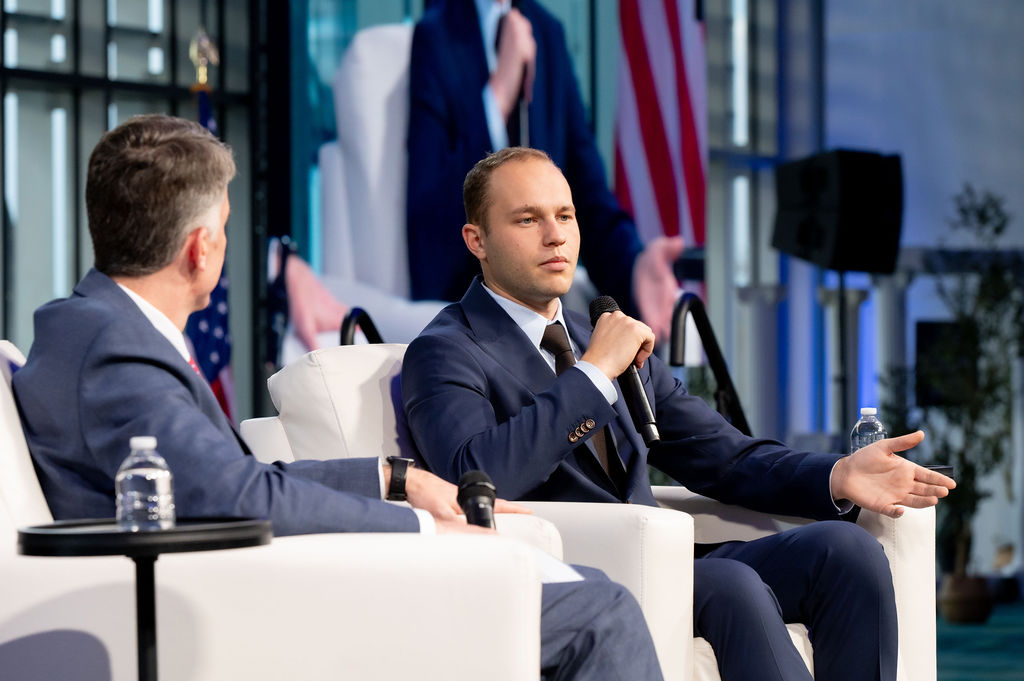
The last guest to take the stage was Treasury Secretary Scott Bessent, providing an in-depth look at the Trump administration’s economic vision, global policy maneuvers, and the future of American industry.
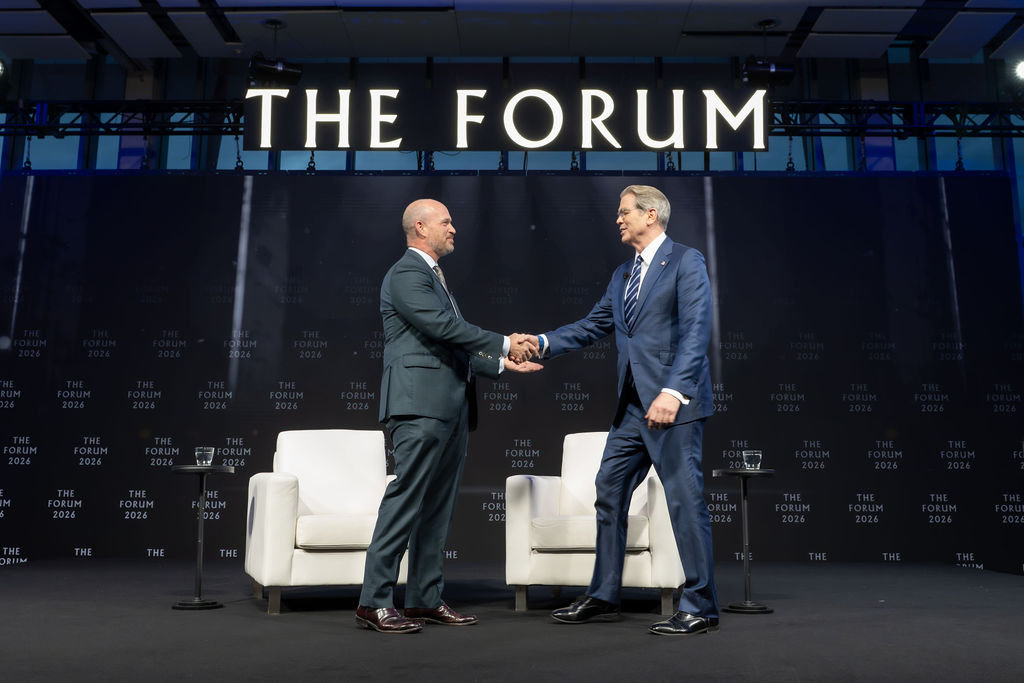
Secretary Bessent outlined a “four-legged stool” approach to the economy, describing 2025 as the period for “setting the table” and 2026 as the “banquet.” The first of these core pillars trade policy, emphasizing record trade deals and a manufacturing renaissance. The second is tax policy, saying the One Big Beautiful Big implemented permanent full expensing for equipment and factories, while fulfilling key promises like eliminating taxes on tips and overtime. The third is energy, discussing the achievement of production levels surpassing Russia and Saudi Arabia combined, alongside plans for new refineries. The fourth is deregulation, talking about maintaining the rule where for every new regulation, 20 are removed.
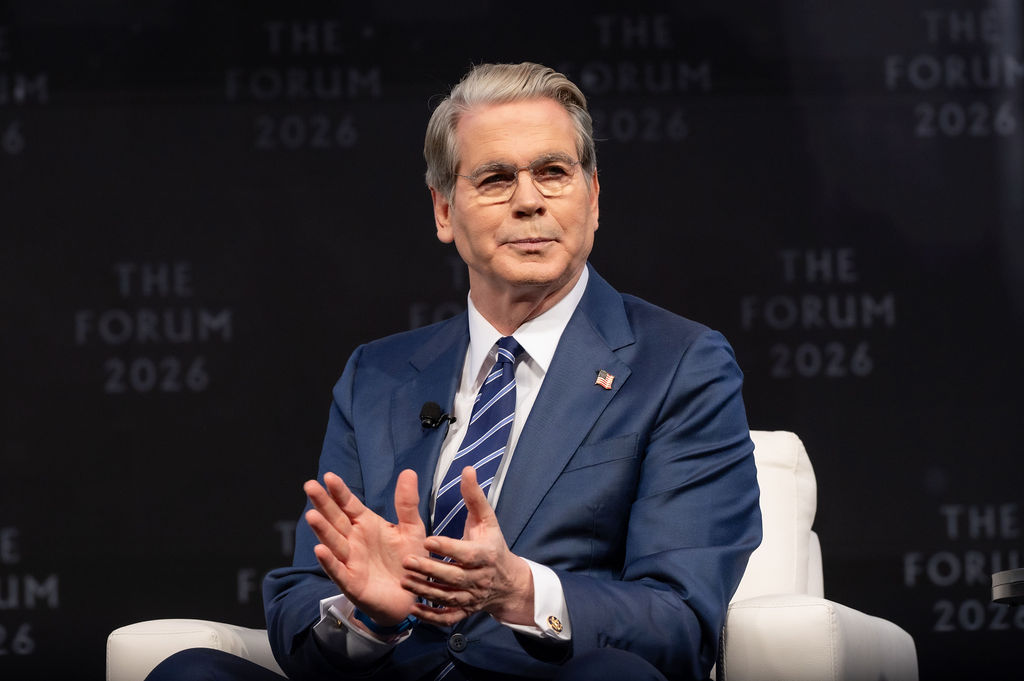
He then discussed the Trump Administration’s launch of Trump Accounts. This initiative has registered 70 million children with seed investments from the Treasury, supplemented by private philanthropy (including Susan and Michael Dell) and a share of SpaceX stock from Elon Musk.
Bessent then spoke about super intelligence. He noted that while technological change is natural, the U.S. leads significantly in compute capacity. He maintains that SI will be a net positive for productivity, small business creation, and job growth.
Bessent covered the necessity of outcompeting China in tech and the extreme economic isolation of Iran through “Operation Economic Outcast,” which utilizes a naval blockade and banking sanctions to cripple the regime’s ability to fund operations.
Addressing the national debt, Bessent argues for a strategy of restraining spending and aggressive GDP growth (targeting above 3%) to bend the deficit curve. He expresses continued optimism about the president’s energetic agenda and the consolidation of pro-U.S. leadership throughout the Western Hemisphere.
He ended with positive news, saying the IRS is seeing a record number of small businesses filing for tax ID numbers. “The United States is a startup nation,” Bessent said regarding that data.
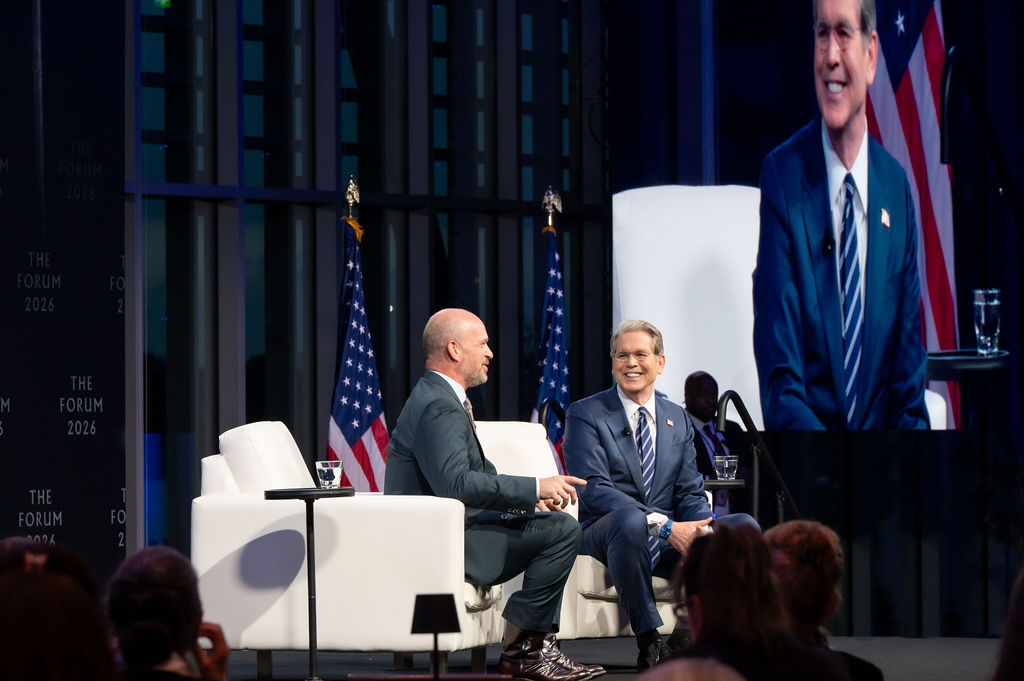
The discussions featuring Chip Roy and Scott Bessent can be viewed on the Heritage Foundation YouTube channel.